 Kazakhya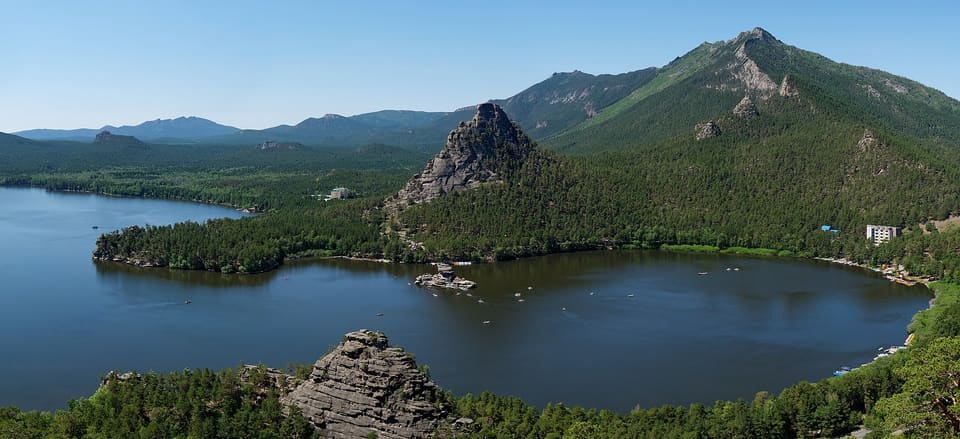
Tourismin Kazakhstan
Get ready for an exceptional travel experience in Kazakhstan, a land of natural and cultural diversity, whether you are travelling alone, with family, in groups or on business.
A brief history of Kazakhstan
Prehistoric era (circa 3000 BC - 600 BC)
The seeds of life in Kazakhstan go back to around 3000 BC, when Neolithic and Bronze Age cultures lit the paths of the vast steppes. Most notable was the Andronovo culture, which flourished between 2000 and 1200 BC: its people excelled at casting bronze into sturdy swords and axes, wove pottery with exquisite ornament, and tamed horses and cattle in early steps towards pastoral agriculture. Their remains sit in settlements such as Arkaim and Begazy, surrounded by circular ditches that tell of organised communities. By the eighth century BC the Scythians appeared, nomadic steppe peoples speaking eastern Indo-European languages, as masters of the open lands. They were supremely skilled riders who roamed the steppes like the wind and worked gold into treasures such as the "Golden Man" discovered at Issyk, a warrior clad in a golden costume reflecting the richness of their culture. They raised tall kurgans as tombs for their heroes, leaving a legacy that testifies to their rule as independent nomadic tribes.
Antiquity and the nomadic tribes (600 BC - 600 AD)
From the sixth century BC to the sixth century AD, waves of nomads swept across Kazakhstan. After the Scythians, the Huns overran the region in the first century AD, a Turkic-Mongolic people who would later terrify Europe under Attila, riding their horses like the wind in their military migrations. They were followed by the Sarmatians between the third century BC and the fourth century AD, nomadic peoples wearing heavy armour and carrying long lances, adding a new touch to the canvas of the steppes. By the first century AD Kazakhstan had joined the Silk Road, and cities such as Otrar, later the birthplace of al-Farabi, and Taraz flourished as trading ports linking China with Byzantium, under the influence of the Achaemenid Persians and Alexander of Macedon.
The Islamic era (7th-10th century AD / 1st-4th century AH)
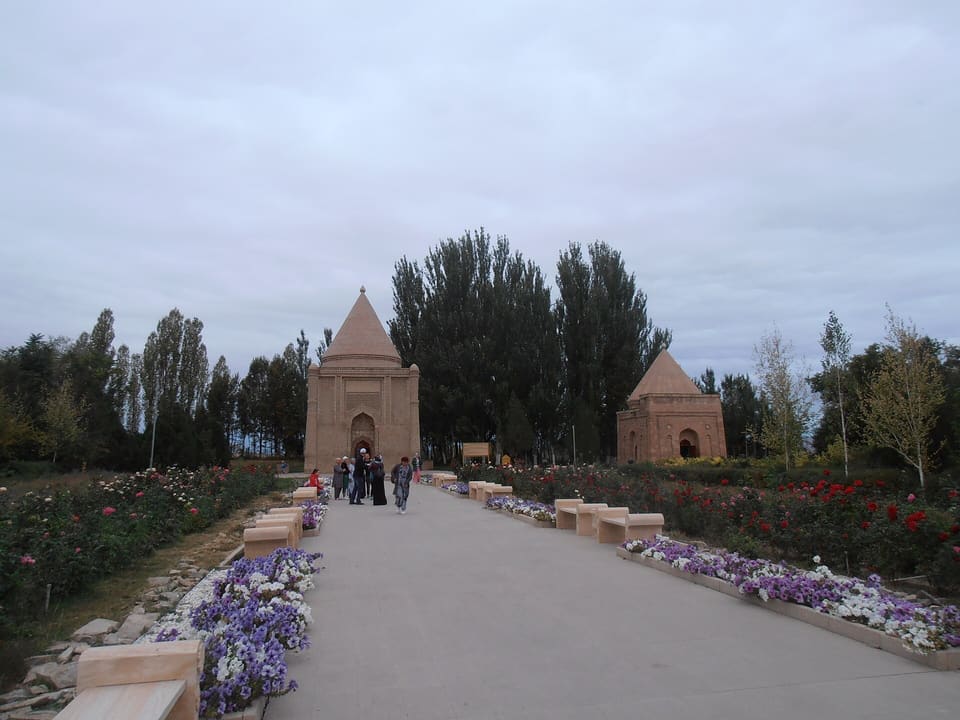
With the dawn of Islam, winds of change began to embrace Central Asia. In July 751 AD (Ramadan 133 AH) the Abbasids, led by Ziyad ibn Salih with their Karluk and Tibetan allies, fought the Battle of Talas on the banks of the Talas river against China’s Tang dynasty led by Gao Xianzhi. The battle broke out over a dispute between Tashkent and Ferghana, but the collapse of the Tang alliance, when the Karluks turned against them, gave the Abbasids a decisive victory. This victory halted China’s westward expansion and opened the door for Islam to spread in Kazakhstan, carrying with it the paper-making technology that prisoners brought to Baghdad. Between the eighth and ninth centuries Arab traders and missionaries reached Taraz, founding mosques such as the Hibatullah Mosque, and Otrar with its Hanafi law schools, and Sayram where the call to prayer echoed. The region was influenced by the Umayyad state through trade, then the Abbasids who deepened Islam, and the Samanids who brought science and Persian poetry with the likes of Rudaki. In the tenth century the Karakhanids embraced Islam under Satuq Bughra Khan, founding a prosperous Turkic Islamic state adorned with geometric ornament and Arabic calligraphy. They built monuments such as the Aisha Bibi mausoleum, paving the way for the mausoleum of Khoja Ahmed Yasawi, and Kazakhstan became a beacon of Islamic civilisation.
The Turkic and Mongol Middle Ages (6th-13th century AD)
In the sixth century AD the Western Turkic Khaganate rose as a Turkic power built on tribal organisation and military strength. Then in the thirteenth century (1206-1227 AD) Genghis Khan swept in like a devastating storm, toppling cities such as Otrar after heroic resistance and annexing Kazakhstan to the Golden Horde. By the fourteenth century Uzbeg Khan (1313-1341 AD) had embraced Islam, reviving Islamic culture with new mosques and bustling trade markets across the steppes.
The formation of the Kazakhs and their khanate (15th-18th century AD)
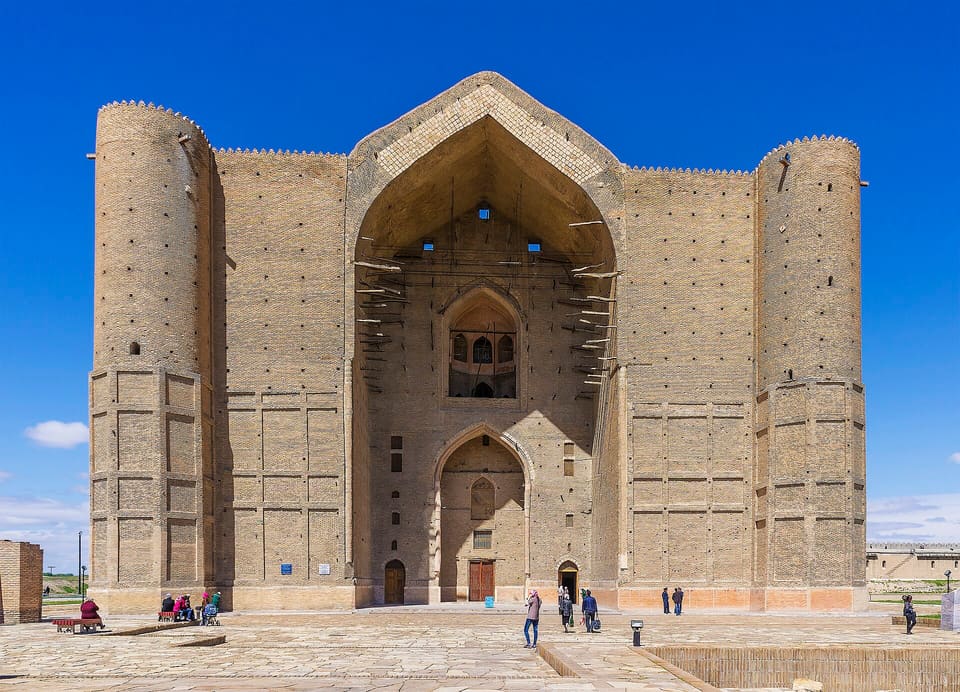
From the ruins of the Golden Horde, the star of the Kazakh Khanate rose in 1465 AD (869 AH) under Janibek and Kerei. It was divided into three "zhuz": the Great in the southeast, the Middle in the northeast and the Little in the west, each governed by distinguished tribal elites. The Kazakhs excelled at breeding noble horses, which became golden currency in their trade with Russia and China, and they preserved their Islam with Sufi touches from the teachings of Khoja Ahmed Yasawi, until the early eighteenth century.
Russian control (18th-19th century AD)
In the early eighteenth century the khanate faced threats from the Dzungars, an Oirat Mongol people, so Khan Abulkhair sought help from Tsarist Russia in 1731 AD (1143 AH). The Russians built fortresses such as Orenburg and Verny (later Almaty), and by the mid-nineteenth century they had tightened their grip on Kazakhstan within the Russian Empire, bringing railways and waves of settlers that changed the face of the steppes.
The Soviet era (20th century AD)
After the October Revolution of 1917, Kazakhstan sank into chaos. The independent Turkestan republic was declared briefly in 1918 before being absorbed into the Soviet Union in 1920 (1339 AH). In 1936 it became the "Kazakh Soviet Socialist Republic". The forced settlement policy of 1931-1933 claimed 1.5 million victims in a horrific famine. During the Second World War (1941-1945) peoples such as the Volga Germans were exiled to the region, and between 1949 and 1989 Semipalatinsk echoed with 456 nuclear tests, while space rockets launched from Baikonur towards the cosmos.
Independence and the modern era (20th-21st century)
On 16 December 1991 Kazakhstan declared its independence, led by Nursultan Nazarbayev until 19 March 2019. He moved the capital to Astana in 1997 to revive the north; it was renamed Nur-Sultan in 2019 in his honour, before returning to Astana in September 2022.
Who are the Kazakhs and Kazakhstanis
The Kazakhs (in Kazakh: Қазақ) are a Turkic ethnic group forming the great majority of Kazakhstan's population, while Kazakhstanis are all citizens of the Republic of Kazakhstan regardless of their ethnic origin.
The Kazakhs (the ethnic group)
Their origin: they descend from a blend of Turkic and Mongolic tribes that settled the steppes of Central Asia. The meaning of the name: the word "Qazaq" means "independent", "free" or "wanderer" in old Turkic. Traditional way of life: pastoral nomadism, based on livestock herding and seasonal migration. Traditional dwelling: the yurt, a portable round tent made of felt and wood. Religion: Sunni Muslims of the Hanafi school, with some elements of old shamanic beliefs. Language: Kazakh, a Turkic language written in the Cyrillic alphabet (with a plan to move to the Latin alphabet).
Kazakhstanis (citizens of Kazakhstan)
Kazakhstani society is made up of several ethnic groups: Kazakhs around 70% of the population, Russians around 18%, and other groups: Uzbeks, Ukrainians, Uyghurs, Tatars, Germans, Koreans and others. Languages: Kazakh (the official language) and Russian (the language of communication between ethnic groups).
National identity
Kazakhstan follows a policy of "unity in diversity", seeking to preserve cultural diversity while strengthening a unified national identity.
Modern transformations
After independence in 1991, the country went through a process of "Kazakhisation" aimed at reviving the Kazakh language and culture after decades of Russian and Soviet influence.
Where do the Kazakhs live today?
Most Kazakhs today live in Kazakhstan, but large communities also exist in China, Russia, Uzbekistan, Mongolia and Turkey.
Almaty: the economic and tourism capital
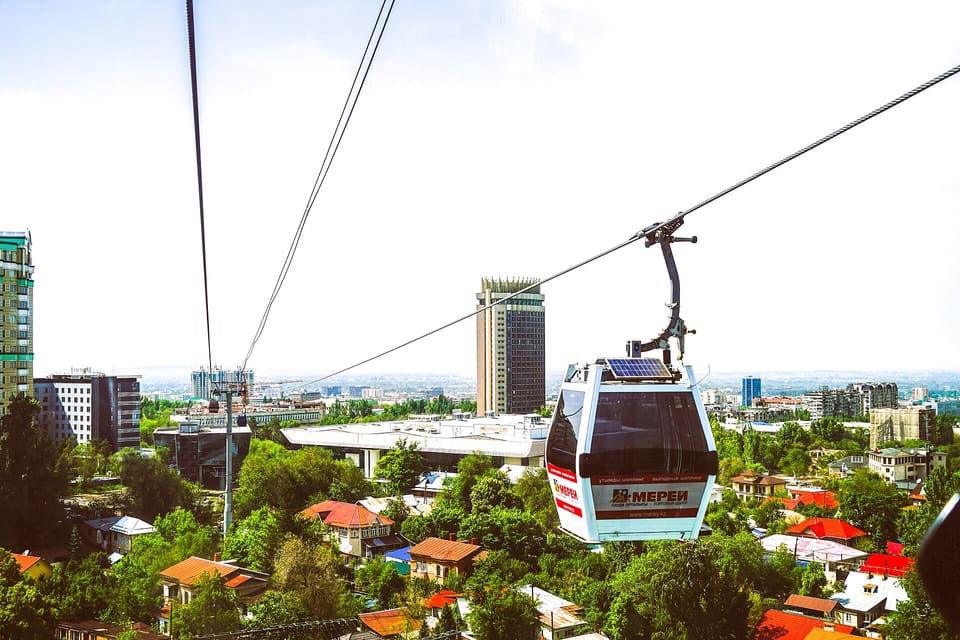
Almaty, known as the "southern capital" of Kazakhstan, is not currently the country's political capital (the capital moved to Astana in 1997), yet it remains the economic, cultural and tourism heart of Kazakhstan.
The name "Almaty" derives from the Kazakh word "alma", meaning "apple", a reference to it being the native home of the Malus sieversii apple, the wild species considered the genetic ancestor of most cultivated apples worldwide, tying its identity to a rich natural heritage.
Almaty as an economic capital
Economic history: Almaty was the official capital of Soviet Kazakhstan from 1929 until the capital moved, and this historical role made it a centre of trade and industry. To this day the city hosts most of Kazakhstan's major companies and banks, such as Kazkommertsbank and Halyk Bank, alongside the Kazakhstan Stock Exchange (KASE), one of the most important securities markets in Central Asia.
Strategic location: Almaty lies in the country's southeast near the Tian Shan mountains, which made it a historic crossroads on the Silk Road. Today it is a logistics hub linking Central Asia, China and Russia. The city contributes around 20% of Kazakhstan's GDP, driven by trade and light industry.
The modern economy: Almaty is known for its advanced services sector, technology and trade, and is considered a regional innovation hub in Central Asia. It is home to startups thanks to centres such as Almaty Tech Garden, and attracts foreign investment through its advanced infrastructure and its role supporting the Astana International Financial Centre (AIFC).
Almaty as a tourism destination
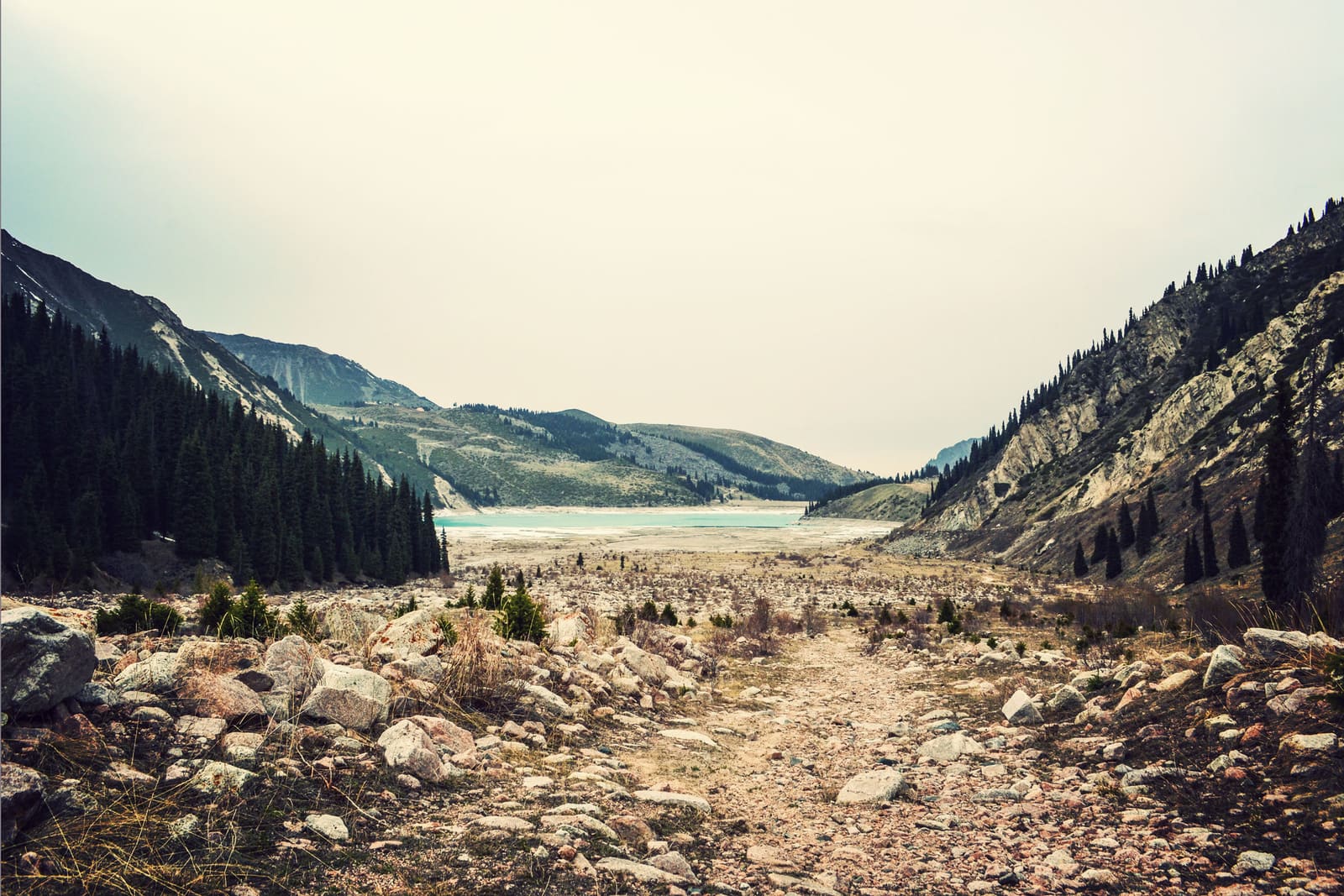
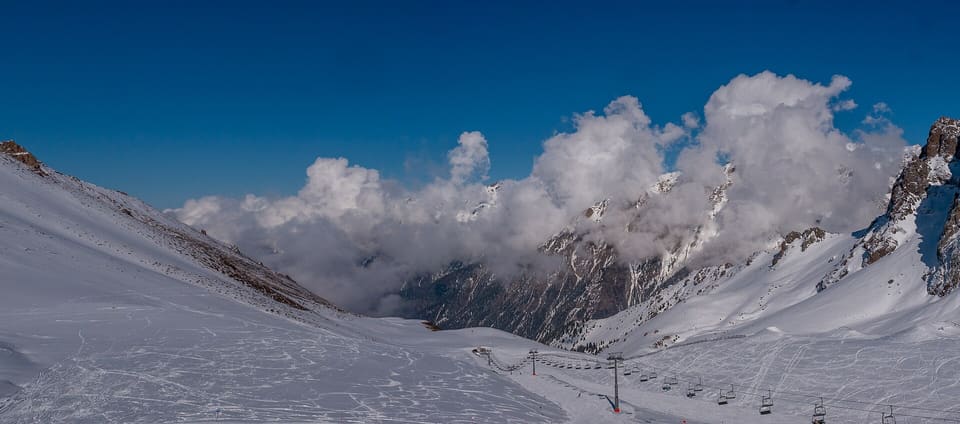
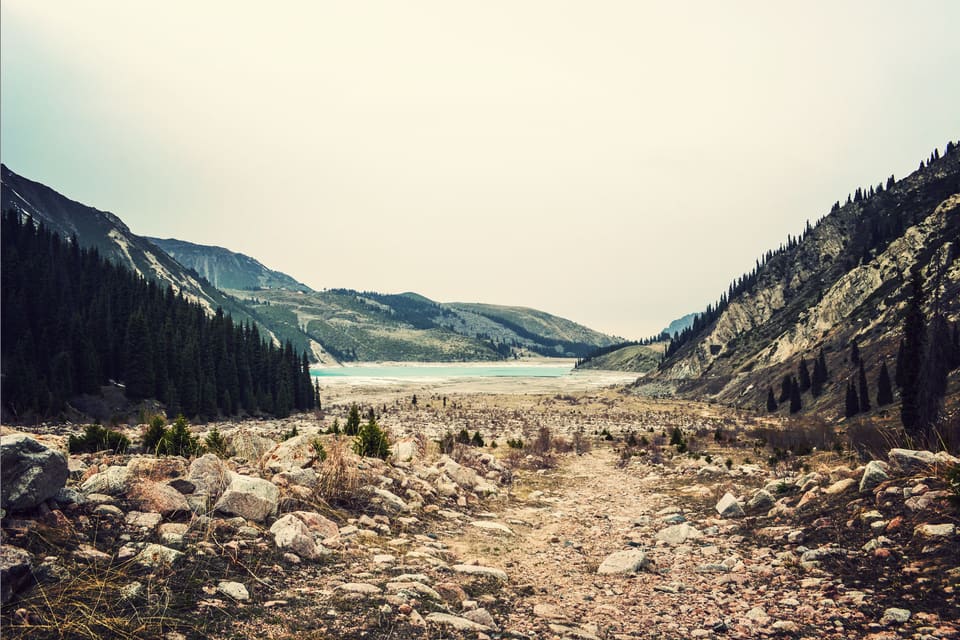
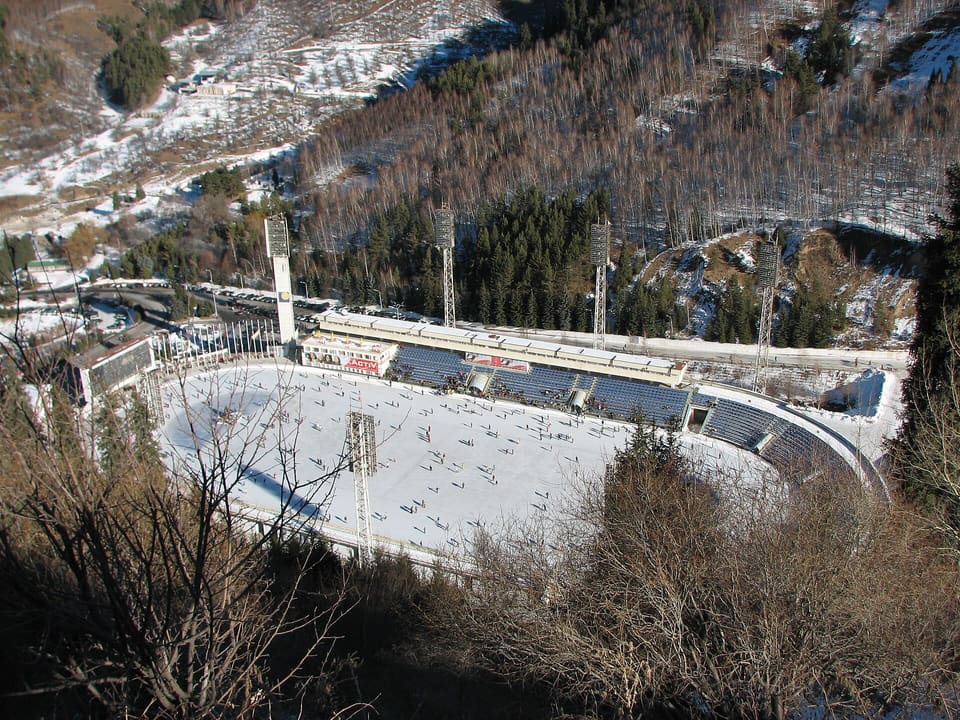
Stunning nature: Almaty sits at the foot of the Tian Shan mountains, making it a launch point for nature lovers. Highlights include: Big Almaty Lake, a breathtaking mountain lake with a turquoise colour. Shymbulak resort, a famous destination for winter skiing and summer hikes. Medeu Valley, the highest ice rink in the world and a perfect spot for winter sports.
Cultural landmarks: Zenkov Cathedral, a colourful wooden building from the Tsarist era reflecting Russian influence. The Central State Museum, presenting the country's history from ancient times to the present. Almaty Central Mosque, a modern architectural gem highlighting Islamic heritage.
Events: Almaty hosts cultural and sporting festivals, such as the Almaty Film Festival and mountain running races, attracting tourists from inside and outside the country.
Why is it called a "capital"? Although Astana is the administrative capital, Almaty keeps the title of "economic and tourism capital" thanks to its size, its role as a vital hub for business and culture, and its closeness to nature which makes it a unique destination. The city combines modernity and heritage, with an advanced services sector spanning education, with prestigious universities such as Al-Farabi National University, and healthcare through modern hospitals.
Landmarks of Kazakhstan
Natural landmarks
Cultural and historical landmarks
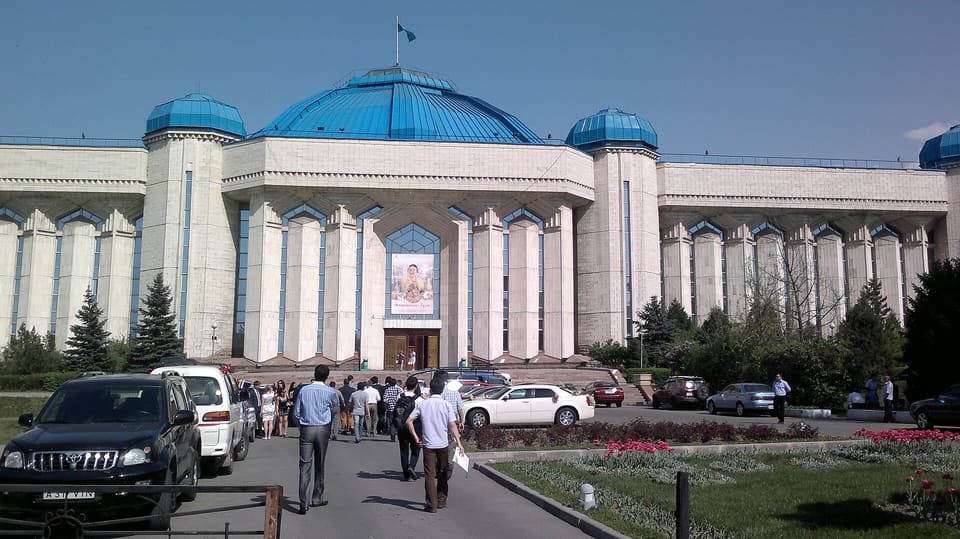
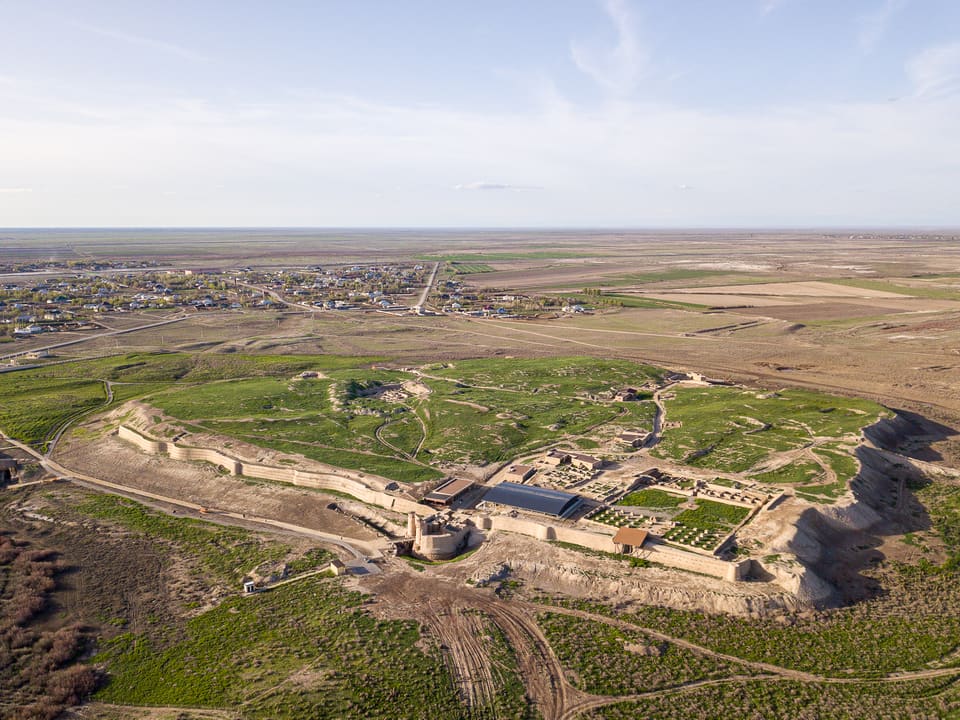
Urban and modern landmarks
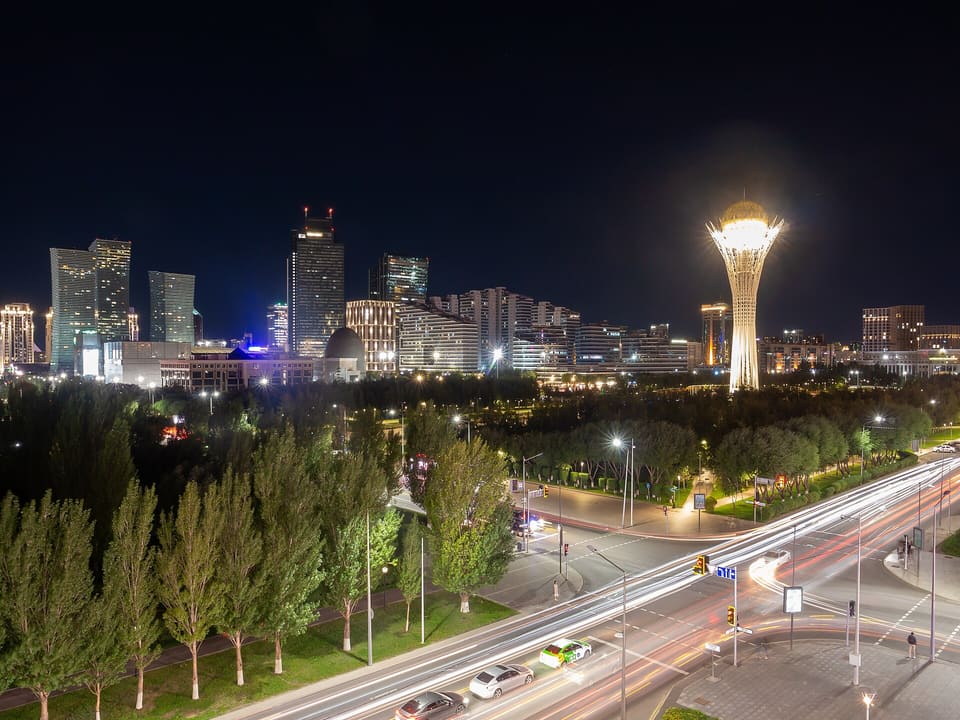
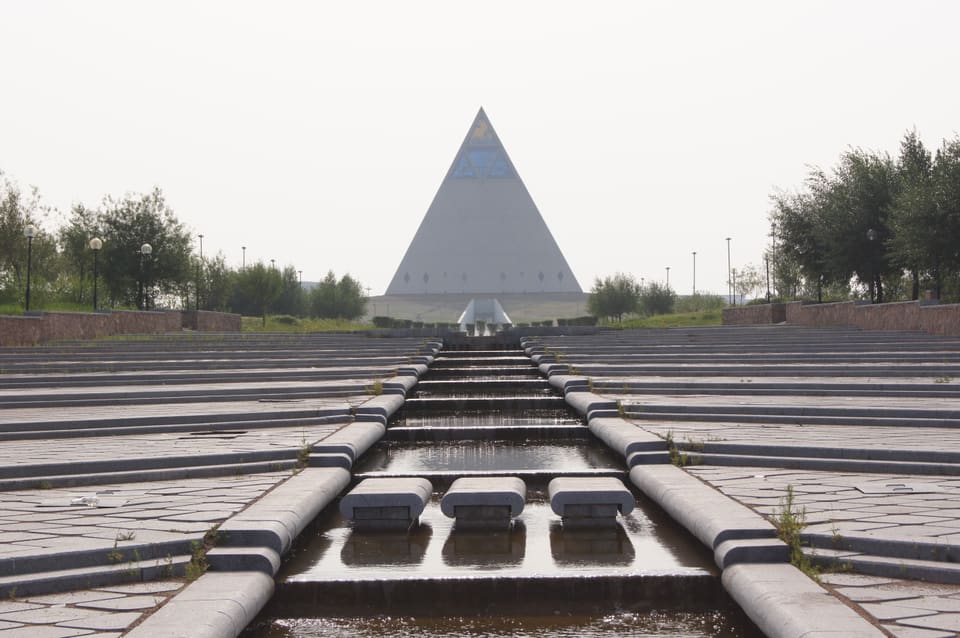
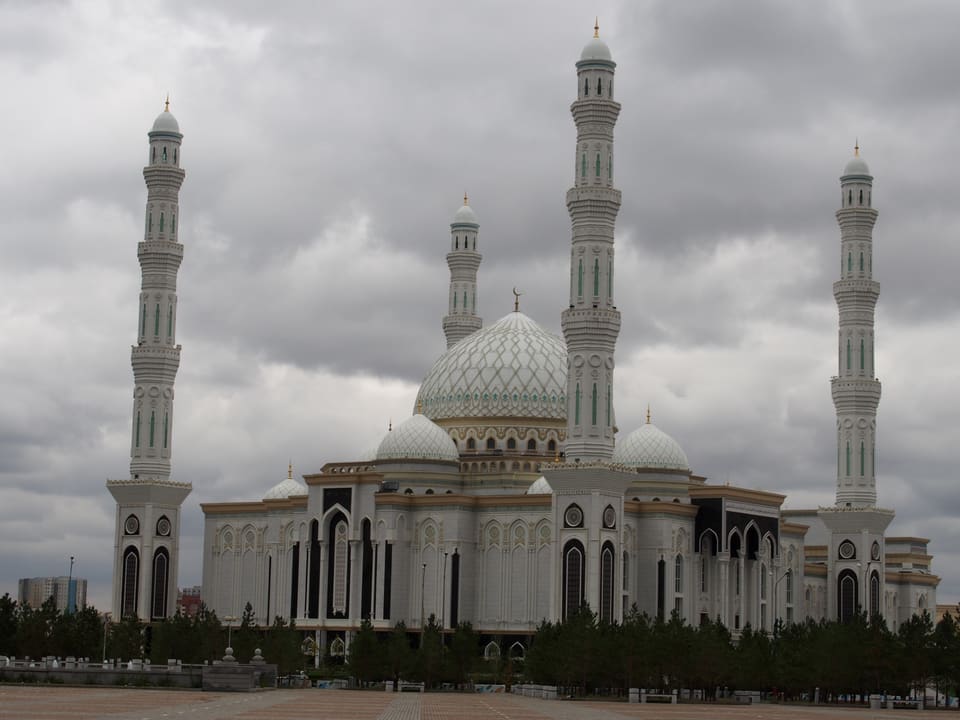
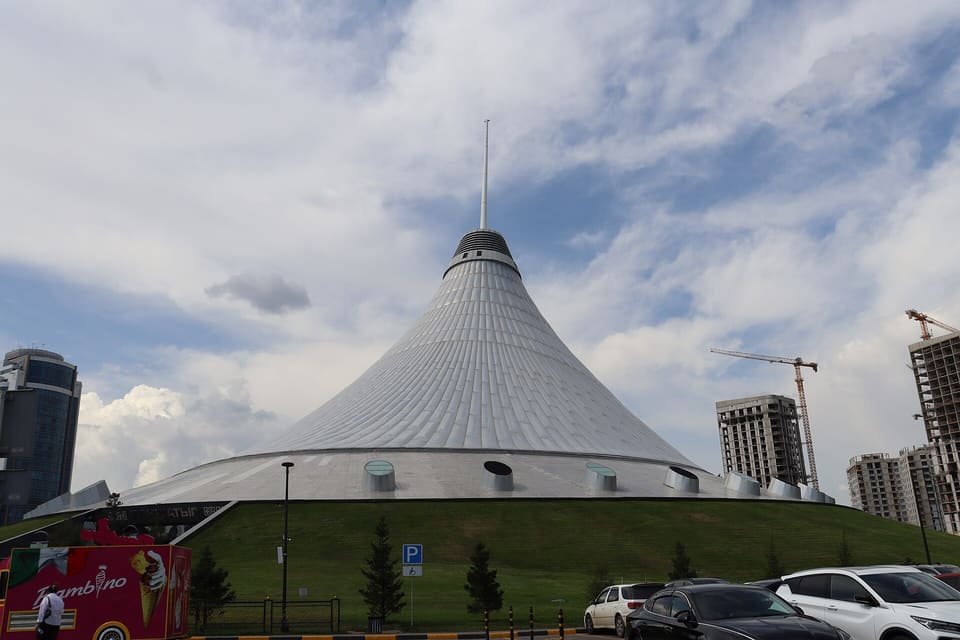
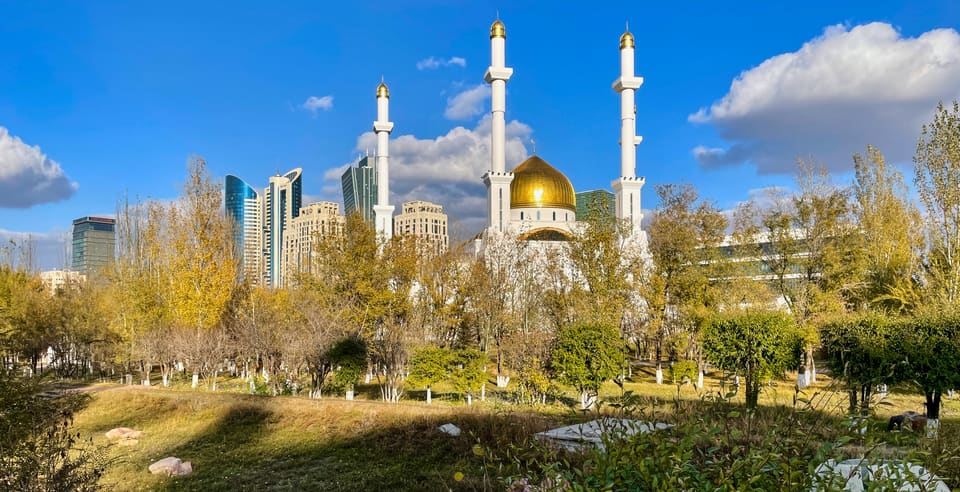
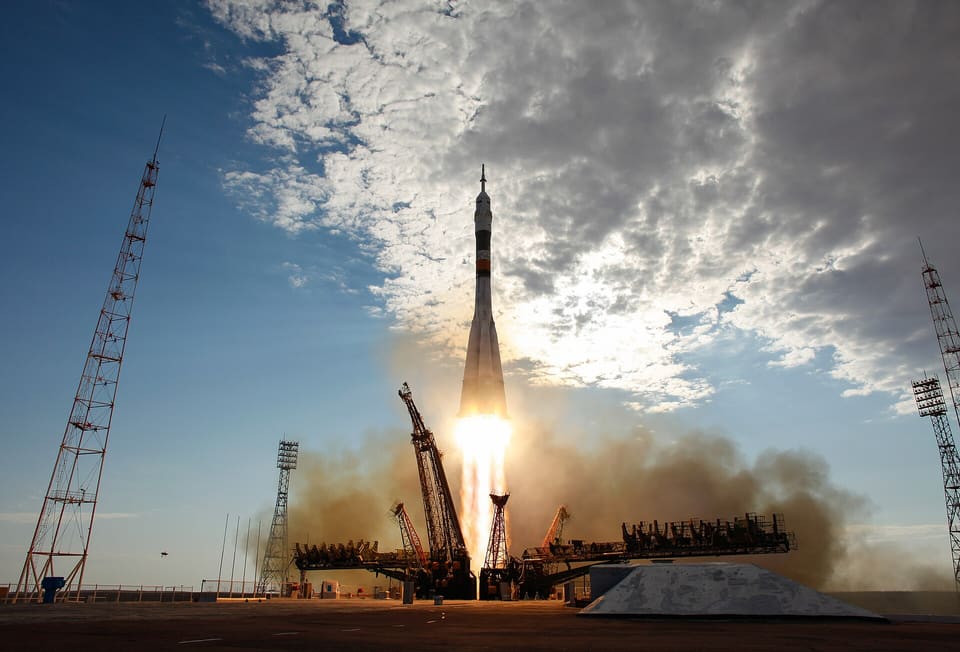
Nature and geography of Kazakhstan
Kazakhstan, the ninth largest country in the world by area, covers around 2,724,900 square kilometres, comparable to India or Australia, and sits at the heart of the Eurasian continent in Central Asia, with a small part extending into Eastern Europe.
The country stretches more than 3,000 km from west to east and around 2,000 km from north to south. It borders Russia to the north, China to the east, Kyrgyzstan, Uzbekistan and Turkmenistan to the south, and the Caspian Sea to the west.
Kazakhstan features great diversity in terrain, climate and ecosystems: deserts cover 26%, semi-deserts 44%, forests 6% and steppes 24% of its area, producing an equally diverse range of weather, plants and animals.
Mountains and highlands
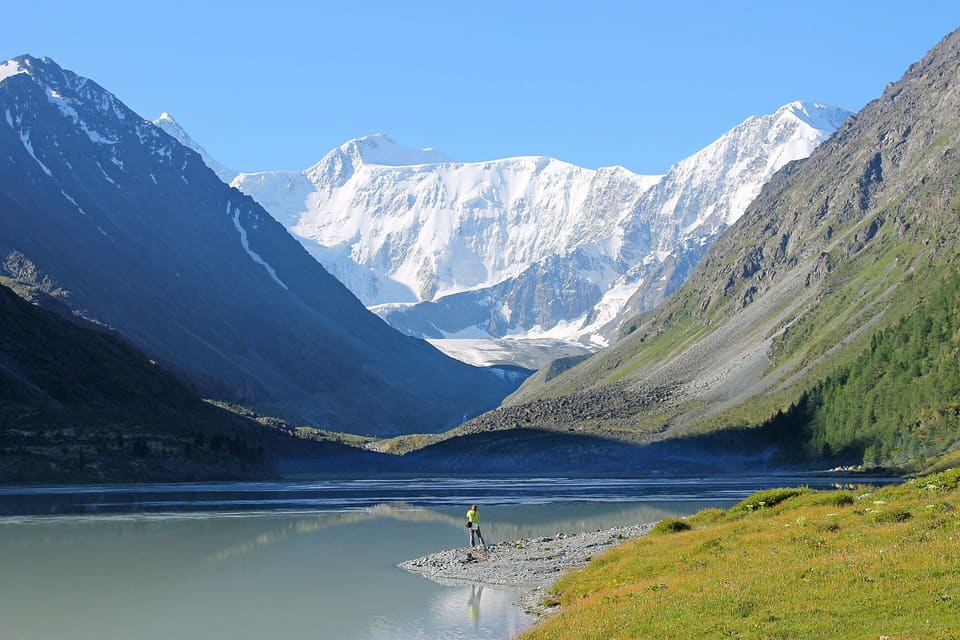
The Altai mountains: in the country's northeast, including the Southern and Western Altai and the Kalba range. The highest peak is Mount Belukha at 4,506 metres on the border with Russia, a symbol of the region and a sacred site that Buddhists link to the legendary "Shambhala". It is known for pine forests and glaciers, and includes the Markakol depression with Lake Markakol.
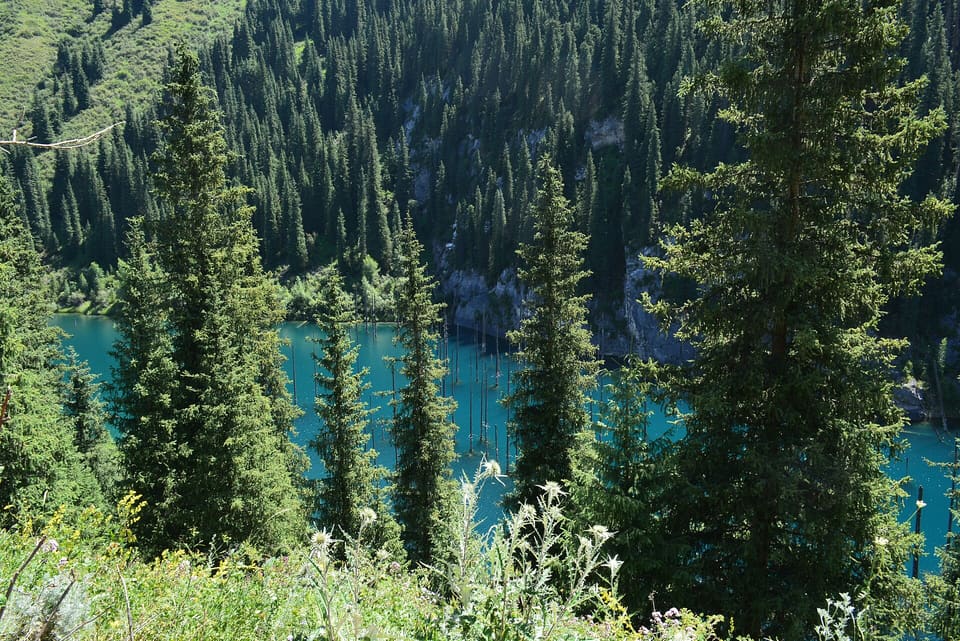
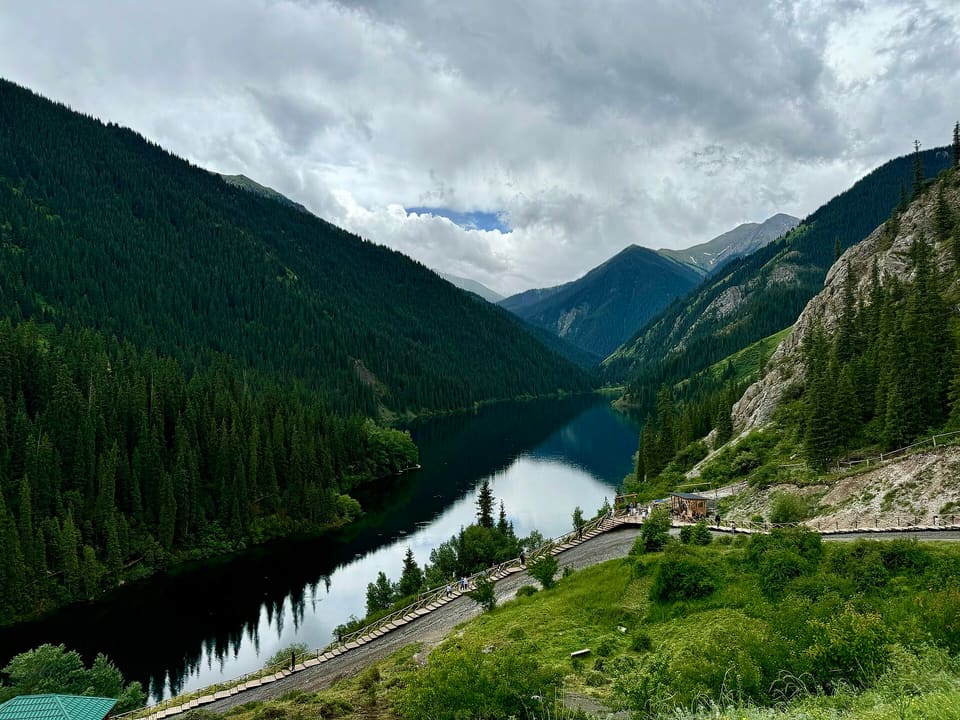
The Tian Shan mountains: stretching across the southeast, divided into the Northern, Western and Central Tian Shan. The most notable landmark is Khan Tengri peak at 7,010 metres, the second highest mountain in Kazakhstan and a destination for mountaineers. Its northern slopes are covered with spruce forests, the western ones carry shrubs and meadows, while the peaks wear eternal snow and glaciers. It holds lakes such as Big Almaty Lake and Kaindy, and shelters rare animals like the snow leopard and the Tian Shan bear.
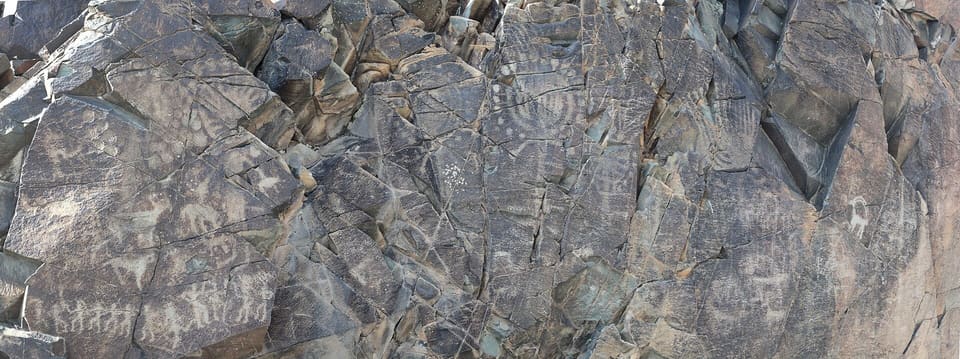
The Dzungarian Alatau: in the country's east; its longest ridge is Severnaya at 4,560 metres, covered in permanent snow and glaciers that can stretch 8 km. Its west is home to animals such as the argali and the goitered gazelle, and it is famous for its history, with ancient tombs and rock drawings of nomads dating back more than 2,000 years.
Other mountain areas: the Turgen Valley, known as the "land of waterfalls", holds hot springs, waterfalls and pristine lakes, with alpine meadows and ancient Saka tombs. Sary-Arka in the centre stretches 1,200 km, with its highest peak Aksoran (1,565 metres) and the Karkaraly mountains (1,403 metres). Sary-Arka is known as "little Switzerland" for its blue lakes set between yellow sands and mountains.
Steppes and deserts
Steppes and deserts make up most of the terrain: steppes cover 24% and deserts and semi-deserts 70%.
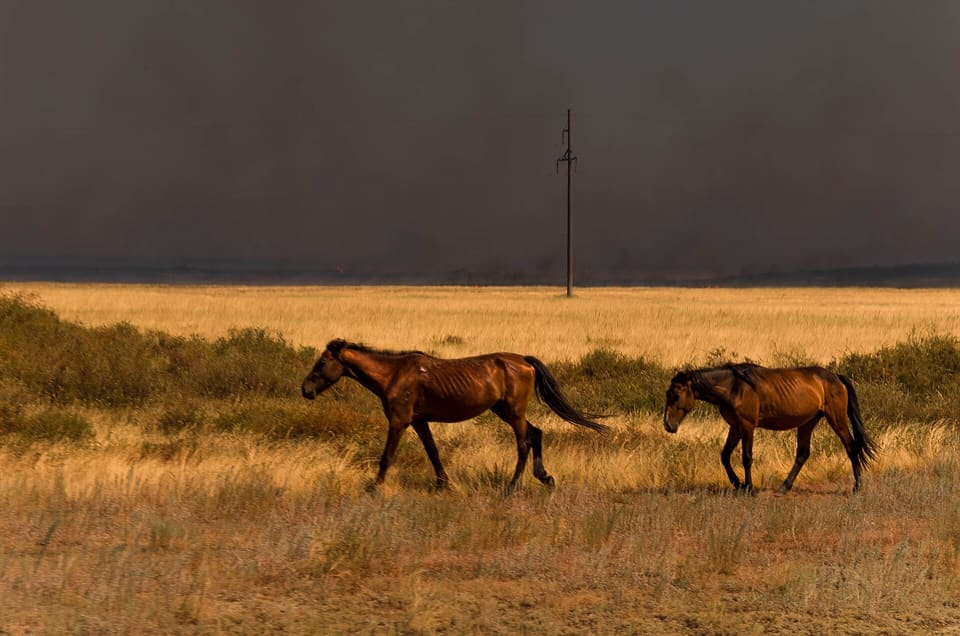
The Kazakh steppe: stretches across the north as part of the vast Eurasian steppe, with fertile chernozem soil and forest-steppe. It holds fresh and salt lakes hosting waterfowl such as ducks and geese, and birds of prey such as the imperial eagle and falcons, with plants like feather grass.
The Kyzylkum desert: in the south, known for red sands and clay plains covered with shrubs and wormwood, home to the grey monitor, the region's largest lizard.
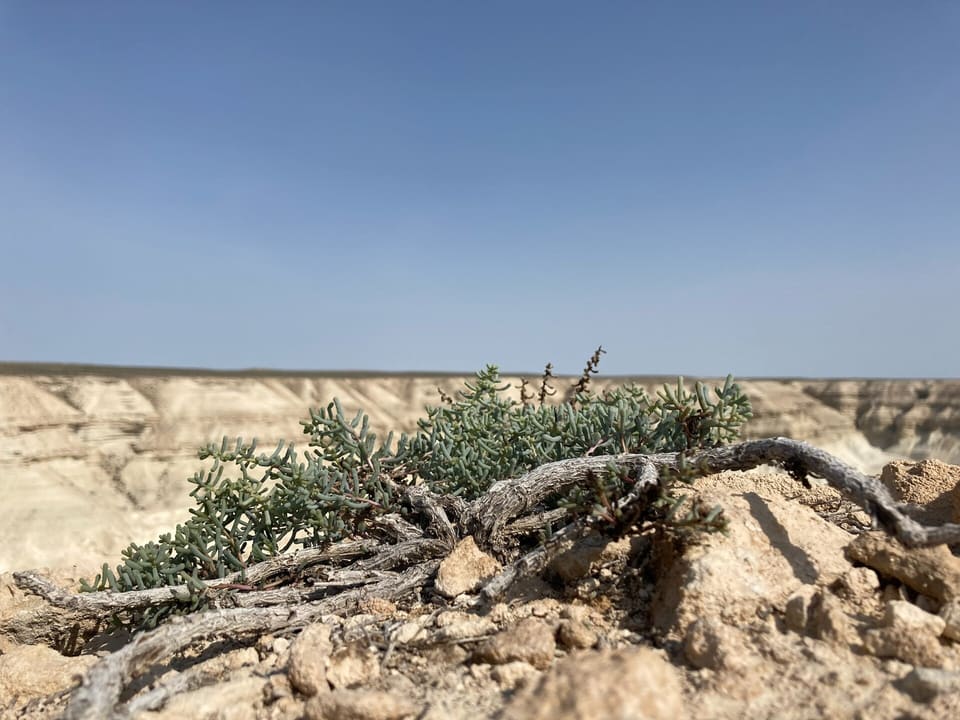
The Ustyurt plateau: between the Caspian and Aral seas, a rolling desert plain covered with wormwood, with black saxaul trees in the depressions and sharp escarpments (chinks) reaching 340 metres.
The Moiynkum desert: in the centre, famous for its shifting dunes known as the "hungry sands". The Barsuki desert: in the west, known for unique sand formations and wildlife adapted to aridity.
Lakes, rivers and forests
The Caspian Sea: borders the west and southwest for 2,340 km. It is cold and sometimes freezes in winter, and warm enough for swimming in summer. Its waters have been rising since 1978, flooding more than 10,000 km² in Atyrau province.
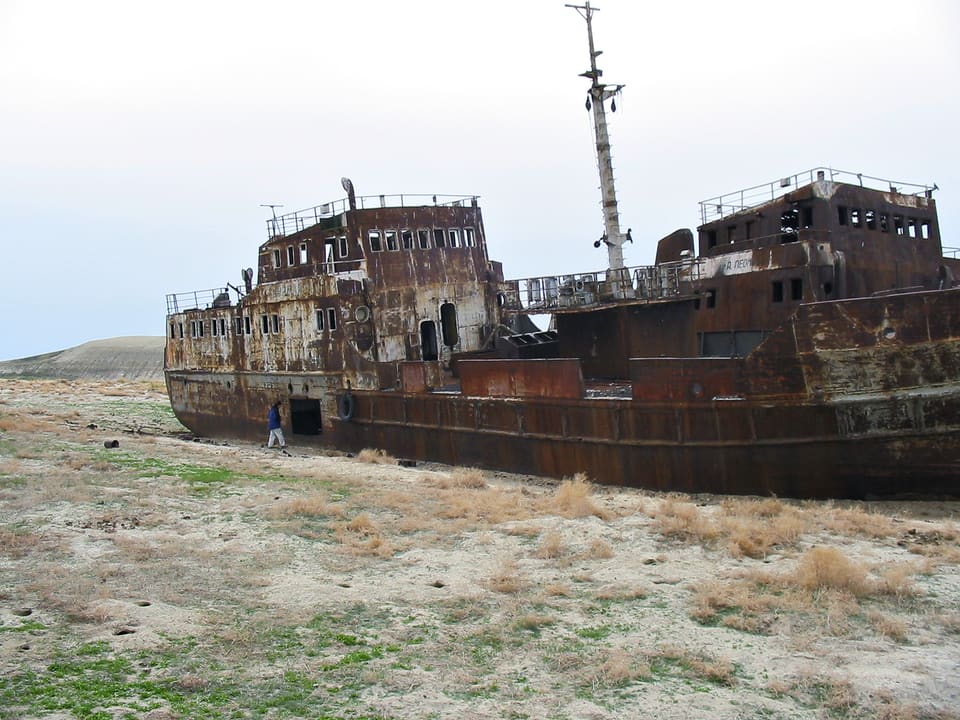
The dry Aral Sea: was a great lake fed by the Amu Darya and Syr Darya rivers, but lost 60% of its volume by 1993 due to agricultural exploitation, leaving rusting ships in the desert.
Lake Balkhash: in the east near Almaty, at 340 metres elevation, the world's second largest saline lake, half fresh and half salty. Other lakes: include Zaysan, Alakol, Tengiz and the protected mountain lake Markakol, preserved for its fish.
Major rivers: the Irtysh, Ishim, Ural, Syr Darya, Amu Darya, Ili (forming Lake Kapchagay), Chu, Tobol and Nura, supporting agriculture and wildlife.
Forests: forests make up 6% of the country, including Burabay National Park in the north, known as the "Kazakh Switzerland", with pine forests holding birch and pine trees.
The weather in Kazakhstan
Kazakhstan has an extreme continental climate, with major differences between summer and winter and between day and night, because of its distance from the oceans and the absence of natural barriers protecting it from polar air masses or hot winds from the deserts of Iran and Afghanistan.
| Season | Description |
|---|---|
| Winter (November - April) | Very cold (-50°C in the north), with light snowstorms. |
| Spring (April - May) | Short and changeable, the season of winds and dust storms, with peak rainfall in the mountains. |
| Summer (May - September) | Hot and dry (35-40°C), milder in the mountains. |
| Autumn (September - November) | Stable with night frosts, from 20°C down to -3°C. |
| Heat and cold waves | Heat up to 45°C in the south, and cold down to -50°C in the north. |
Geographic facts about Kazakhstan
Location and borders: Kazakhstan lies in Central Asia with a part in Eastern Europe, between latitudes 40°-55° north and longitudes 46°-87° east. Its area is 2,724,900 km², the ninth largest in the world. It borders Russia (7,644 km) to the north, China (1,765 km) to the east, Kyrgyzstan (1,212 km), Uzbekistan (2,330 km) and Turkmenistan (413 km) to the south, and the Caspian Sea to the west, with 13,364 km of borders in total. Main crossings include Korgalzhyn with Russia, Khorgos with China and Zhibek Zholy with Uzbekistan.
Administrative divisions: the country is divided into 17 regions and 4 special cities: Astana, Almaty, Shymkent and Baikonur. The largest region is Karaganda at 427,980 km², the smallest is Almaty at 105,100 km².
Major cities
| City | Profile |
|---|---|
| Astana | The capital since 1997, 1,340,782 inhabitants (2022), 797 km², in the north-centre on the Ishim river. A political and economic centre famous for modern architecture such as Bayterek Tower and the Palace of Peace, home to parliament and the ministries. |
| Almaty | The former capital until 1997, 2,147,113 inhabitants, 682 km², in the southeast at the foot of the Tian Shan. The largest city by population and a cultural and commercial hub, home to major universities such as the Kazakh National University and landmarks such as Kok Tobe hill. |
| Shymkent | 1,184,022 inhabitants, 1,170 km², in the south near Uzbekistan. The third largest city and an industrial centre (chemical and textile plants), historically part of the Silk Road, known for Abay Park and the old Turkestan mosque. |
| Baikonur | 34,544 inhabitants, 57 km², a special city partly under Russian administration in the centre of the country. Home to the Baikonur Cosmodrome, the first and largest space launch site in the world, from which Sputnik was launched. |
| Karaganda | 1,124,146 inhabitants in the region, in the centre. A coal mining and heavy industry hub, known for the Karaganda mines and the mining museum. |
| Aktau | 735,918 inhabitants in the Mangystau region, a port on the Caspian Sea and an oil and gas centre, known for its beaches and desert setting. |
| Oskemen | 730,818 inhabitants in the East region, on the Irtysh river. An industrial centre for metals (lead and zinc), near the Altai mountains. |
| Pavlodar | 752,252 inhabitants in the region, in the northeast on the Irtysh. An industrial centre (aluminium and chemicals), known for its oil refineries. |
| Taraz | 1,215,482 inhabitants in the Zhambyl region, in the south. A historic Silk Road city with monuments such as the Aisha Bibi mausoleum. |
| Oral | 665,171 inhabitants in the West region, on the Ural river that divides Europe and Asia. An agricultural and oil centre. |
Natural resources and mineral wealth
Oil and gas: proven oil reserves of 30 billion barrels (2023), including Tengiz with 7-9 billion barrels and Kashagan with 13 billion barrels, and 85 trillion cubic feet of natural gas, in the Caspian Sea.
Minerals: uranium 900,000 tonnes (12% of the world), copper 36 million tonnes, iron 18 billion tonnes, coal 33 billion tonnes, gold 2,200 tonnes.
Agriculture: wheat 13-15 million tonnes per year, livestock 34.5 million head (2023) including 8.2 million cattle, 19.2 million sheep, 2.8 million goats, 4.1 million horses and 230,000 camels.
Water: around 100 km³ per year, of which 57 km³ internal and 43 km³ external. Rivers: more than 7,000, most notably the Irtysh, Syr Darya, Ural, Ili, Ishim, Tobol and Chu. Lakes: around 48,000, the most important being Balkhash, Zaysan, the North Aral Sea and Tengiz. Usage: 70% for agriculture, 20% for industry, 10% for drinking.
Renewable energy: potential of 920 billion kWh per year from wind, 2.5-3 billion kWh from solar and 62 billion kWh from hydropower. Current production (2023): 6.5 billion kWh, of which 3.8 billion hydro, 1.9 billion wind and 0.8 billion solar. Targets: 15% of electricity by 2030 and 50% by 2050.
Tourism services and offers
Get ready for an exceptional travel experience in Kazakhstan, a land of natural and cultural diversity, with our services designed to meet every need whether you travel alone, with family, in groups or on business.
1. Tour programmes
Programmes with flights, accommodation and travel insurance for a worry-free trip.
Tours at the "Forest Fairy Tale" resort for horse riding and ziplining between the mountains, and visits to Lake Kaindy for kayaking and boating.
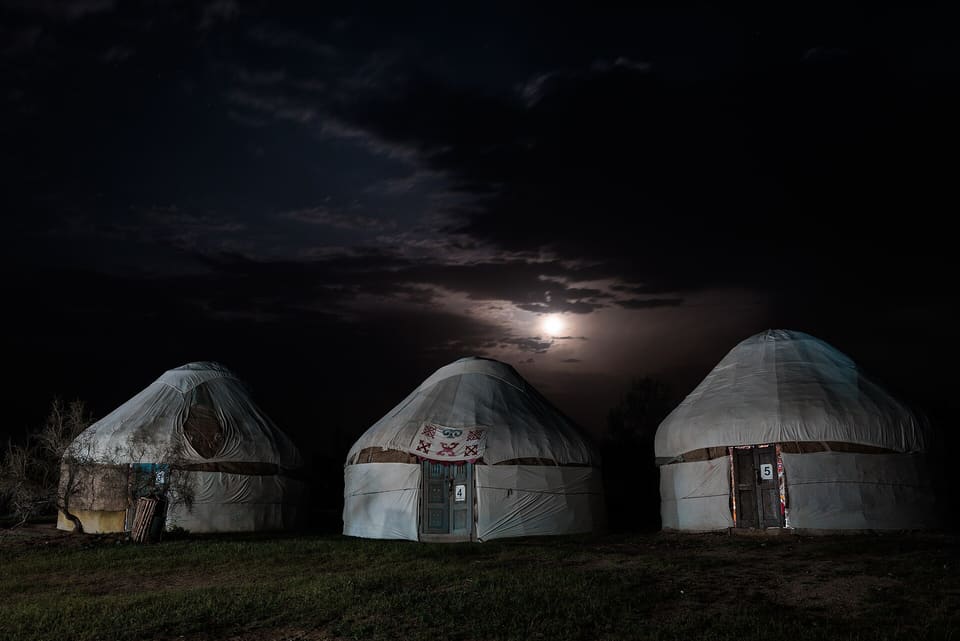
Staying in a yurt in Gunny village, attending traditional horse races and tasting beshbarmak.
Tailored packages with ready itineraries for families and newlyweds, including parks and romantic spots.
Set off on an exceptional adventure with light aircraft flights over the majestic Altai mountains and the open steppes, discovering the beauty of the landscape from the sky. A unique experience that requires advance coordination and booking, as it is not routinely available.
2. Offers and trips
Summer and winter discounts, and special offers for occasions such as Nowruz with cultural events like traditional music.
Discounts for large groups (more than 5 people) covering accommodation and transport, with on-demand booking.
Staff trips including recreational and training activities, conference bookings, and special offers for travel agencies.
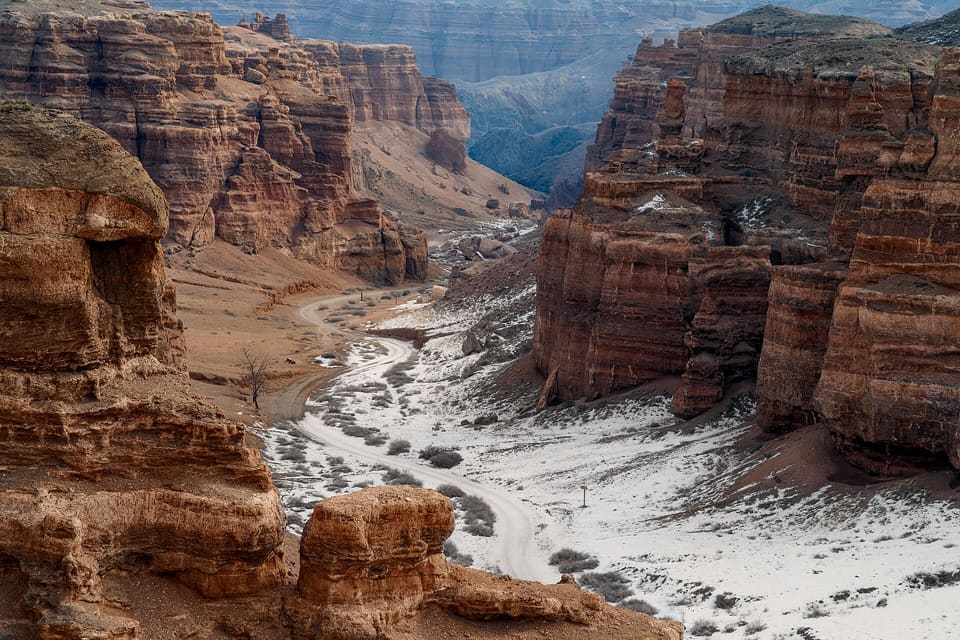
Quick tours to Charyn Canyon or Bayterek Tower.
Pay for your trip in instalments with instant approval through digital financing platforms, in countries where such programmes operate.
3. Car rental
Standard cars, luxury cars or minivans for families, with daily or weekly rental.
Professional drivers who speak Arabic or English for a comfortable ride.
Car pickup from the airport or hotel with full insurance.
4. Bookings
Options from 3 to 5 stars in Almaty and Astana, with breakfast included.
Domestic and international booking through carriers such as Air Astana at the best prices.
Tourist invitations and fast help with visa processing.
Book directly through the site form with round-the-clock support.
Tickets for landmarks, cable cars and skating rinks.
Additional services
A warm welcome with name boards and help with procedures.
Visits to hot springs and wellness resorts for relaxation and natural therapy.
Organising events such as traditional festivals and Kazakh food tastings.
Professional language support to ease communication, provided on request for business people and special occasions, while tourists are accompanied by fluent Arabic-speaking guides.
A tour guide and tailored itineraries to organise a private trip.
Kayaking and boating on Lake Balkhash or Kaindy, by advance request.
Private receptions, luxury tours and bookings at premium resorts.
Book or design your perfect trip
The Kazakhya team, from the heart of Almaty
+7 771 185 9790We know these places because we live among them. Almaty, Kazakhstan.